woman
The Hidden Signs of Vitamin Deficiency Most People Ignore

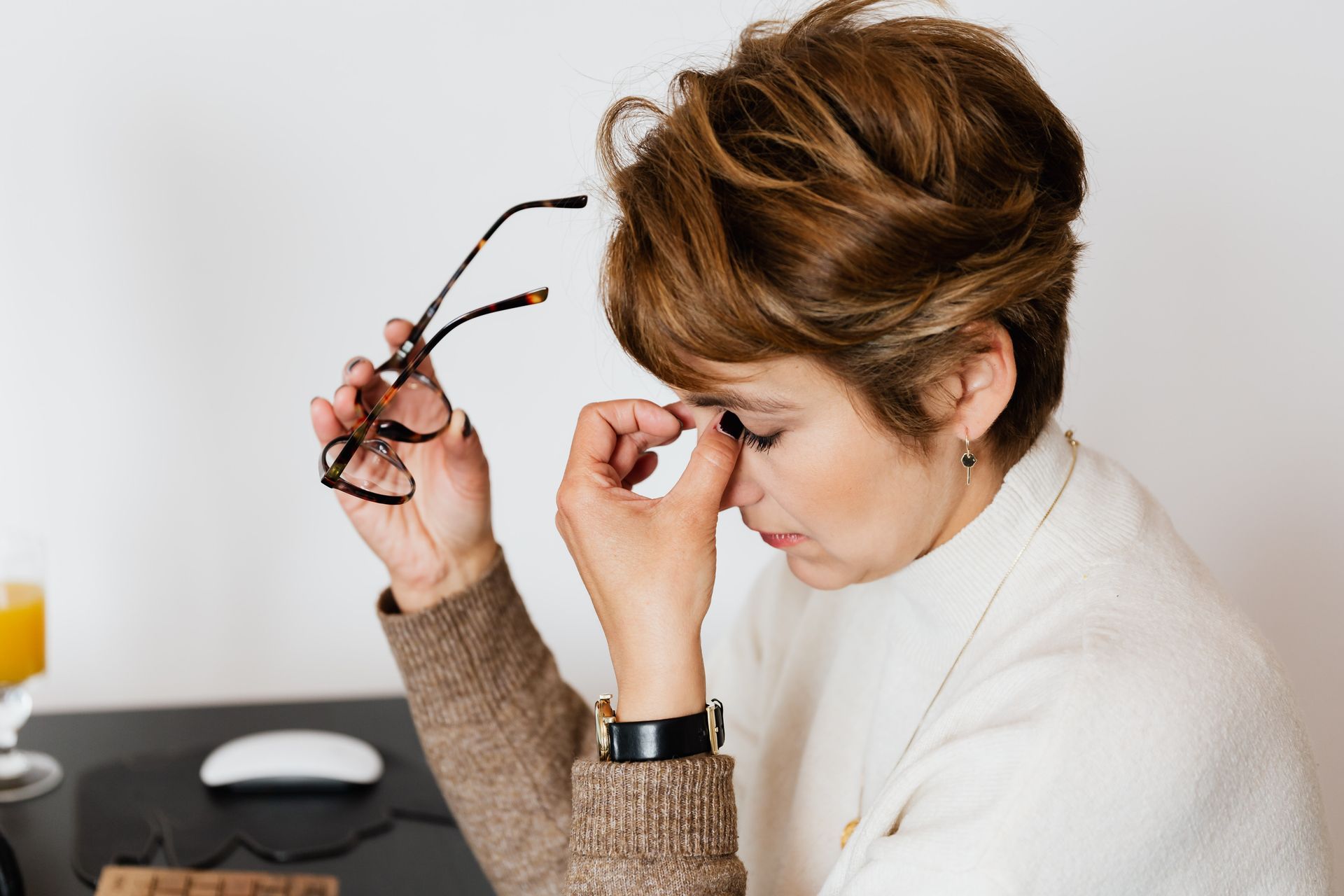
Persistent fatigue is often one of the earliest and most overlooked indicators of vitamin deficiency. Many people assume low energy is caused by stress, lack of sleep, or workload, but insufficient levels of essential vitamins can significantly reduce the body’s ability to produce and sustain energy. Vitamins such as B12 and D, as well as iron-related nutrients, play a key role in oxygen transport and cellular energy production. When these nutrients are lacking, the body struggles to maintain normal metabolic function, leading to a constant sense of tiredness even after rest. This type of fatigue tends to develop gradually, making it easy to ignore until it begins to interfere with daily productivity and overall physical endurance.

Changes in Skin, Hair, and Nail Health

Changes in skin, hair, and nails can also signal underlying vitamin deficiencies that often go unnoticed in the early stages. Dry or flaky skin, increased hair shedding, and brittle nails may indicate insufficient intake of vitamins such as A, C, biotin, or E, all of which support tissue repair and structural health. These symptoms tend to progress slowly and are frequently mistaken for environmental effects such as weather changes or cosmetic factors. However, when the body lacks key nutrients, it prioritizes essential internal functions over external maintenance, leading to visible changes in appearance. Over time, these signs can become more pronounced and serve as important indicators of nutritional imbalance.

Weakened Immune Response and Recovery Patterns

Frequent illness and slower recovery times can be subtle indicators of vitamin deficiencies that affect immune system performance. Vitamins such as C, D, and zinc play important roles in supporting immune defenses and helping the body respond to infections. When these nutrients are lacking, the immune system may become less efficient, leading to more frequent colds or prolonged recovery periods. These changes are often attributed to seasonal factors or general exposure, making the nutritional link less obvious. Over time, a weakened immune response can become more noticeable as the body struggles to maintain consistent protection against common pathogens.

Cognitive Changes and Mood Shifts

woman

Mild cognitive changes and mood shifts are often overlooked but can be closely linked to vitamin deficiencies that affect brain function. Nutrients such as vitamin D, B vitamins, and omega-3 related compounds support neurotransmitter activity and mental clarity. When levels are low, individuals may experience difficulty concentrating, slower thinking, or increased mental fatigue. Mood changes, such as irritability or low motivation, can also result from a disrupted chemical balance in the brain. These symptoms are frequently attributed to lifestyle stress, which makes the underlying nutritional cause easy to miss. Over time, persistent deficiencies may gradually impact cognitive performance and emotional stability.

Physical Sensations and Metabolic Irregularities

Physical sensations such as muscle cramps, tingling, or changes in appetite may also indicate hidden vitamin deficiencies. Electrolyte imbalances and low levels of B-complex vitamins can affect nerve function and muscle response. These symptoms are often intermittent, which makes them easy to dismiss or attribute to temporary strain. However, recurring patterns can suggest …

man
Early Warning Signs of Common Mental Health Conditions

Mental health plays a central role in overall well-being. When challenges arise, they often show subtle signs before becoming more serious. Recognizing these signals early makes it easier to seek help and begin treatment. Timely attention can prevent conditions from worsening and support healthier outcomes. Taking symptoms seriously is one of the best steps anyone can take toward long-term stability.

Changes in Mood and Behavior

person One of the earliest indicators of mental health concerns is noticeable shifts in mood or daily behavior. Someone who was once outgoing may become withdrawn. A cheerful person might suddenly appear irritable or sad without a clear reason. These changes may seem minor at first, but they can point to deeper struggles. Paying attention to patterns over time helps ensure they are not overlooked.

Persistent Feelings of Sadness or Anxiety

Temporary sadness or nervousness is part of life. However, if these emotions persist for weeks or months, they may suggest depression or anxiety disorders. People may describe feeling weighed down, restless, or unable to find joy in activities they once enjoyed. These emotions can affect relationships, work, and overall motivation. Recognizing their persistence rather than dismissing them as temporary is crucial.

Shifts in Sleep and Appetite

Sleep and appetite are often affected when mental health begins to decline. Insomnia, frequent waking, or sleeping far more than usual can all be early signs. Similarly, sudden weight loss or gain due to appetite changes may occur. These disruptions affect energy levels and concentration, creating a cycle that can make recovery more challenging. Addressing them early can break that cycle.

Difficulty Concentrating or Making Decisions

book

Cognitive changes can be another warning signal. Someone may struggle to focus on tasks, remember details, or make even small decisions. This mental fog often accompanies depression, anxiety, or other conditions. While everyone experiences distraction occasionally, ongoing concentration problems deserve attention. They can impact work, studies, and daily functioning, and they should not be dismissed as simple forgetfulness.

Withdrawal From Social Connections

Isolation is a common early sign of many mental health conditions. A person may stop attending gatherings, avoid phone calls, or lose interest in maintaining friendships. They might appear physically present but emotionally distant. While occasional solitude is normal, consistent withdrawal often signals emotional distress. Staying aware of these changes in yourself or others can prompt timely support.

Physical Symptoms Without Clear Cause

Mental health challenges can show up in the body. Headaches, stomach pains, muscle tension, and fatigue sometimes occur without a medical explanation. Stress and anxiety, in particular, can trigger physical discomfort that feels real but originates in the mind. Recognizing these as possible signs of emotional strain helps prevent misdiagnosis or unnecessary medical tests. Addressing the root issue is key.

The Role of Professional Support

therapist Recognizing warning signs is only the first step. Seeking professional help ensures that the right guidance and treatment are provided. Therapists, doctors, and counselors are trained to identify conditions and recommend strategies tailored to each person’s needs. Reaching out for help is not …


sunset
When Life Gets Wild: Beat Stress and Stay Sane With These Mental Health Tips

Life can feel like a whirlwind sometimes. Between work deadlines, family obligations, and unexpected challenges, it’s easy to become overwhelmed. Stress can haunt you when you least expect it. But the good news is that there are effective ways to navigate this chaos and reclaim your peace of mind. So, if you’re juggling responsibilities or just feeling the weight of everyday life, be sure to take care of your mental health and make it your priority. But how? Well, you’re in for a treat. With these strategies in your toolkit, you’ll find yourself better prepared to handle whatever life throws at you. Ready to take charge?

Practice Mindful Breathing

relaxMindful breathing is a quick, easy, yet powerful tool for managing stress. It encourages you to focus on your breath, grounding yourself in the present moment. Start by finding a quiet space. Sit comfortably and close your eyes if it feels right. Inhale deeply through your nose. This will allow your chest and belly to rise. Hold that breath for a beat before slowly exhaling through your mouth. As thoughts drift into your mind—whether about work or personal issues—acknowledge them without judgment and gently return to focusing on your breath. This practice only takes a few minutes but can have lasting effects throughout the day.

Set Boundaries with Work/School

We live in a world where work and school demands can feel relentless, so it’s essential to carve out personal time. Start by defining specific hours for work or study. Communicate those hours clearly with colleagues, classmates, and family members. This clarity helps others respect your downtime. Consider creating a designated workspace if you’re working or studying at home. Having a physical boundary separates professional tasks from personal life. It signals to your brain when it’s time to focus and when it’s time to relax. Remember that breaks are necessary, too.

happy

Get Outside

Nature has a remarkable way of refreshing the mind. Stepping outside, even for just a few minutes, can break the cycle of stress that builds up during busy days. What does it mean? You need to breathe in the fresh air and feel your shoulders drop. The simple act of hitting outdoors can lift your mood and clear your thoughts. Look around—trees, grass, or even city buildings offer a different perspective on life. Try some outdoor activities, like a brisk walk in the park or sitting under a tree with a book. Why? Studies say that they can work wonders for your mental state.

Stick to a Simple Daily Routine, But Give It Some Twists

A daily routine can be a comforting anchor when life feels chaotic. It sets a rhythm that helps you manage your time and energy effectively. However, monotony can creep in quickly. To keep things fresh, sprinkle some spontaneity into your day. Try switching up the order of tasks or introducing new activities. Instead of your usual coffee break, take five minutes to stretch or meditate. If you typically work from home, consider moving your …

laptop
What to Consider When Buying Health and Fitness Drugs Online

The internet has made shopping for various products more convenient, including health and fitness drugs. From supplements to medications, there is a wide range of options available online. However, when it comes to purchasing health and fitness drugs online, like steroids for sale, it is essential to exercise caution and make informed decisions. Here are the factors to consider when buying health and fitness drugs online, ensuring your safety, authenticity, and overall well-being.

Reliable Online Pharmacies

One of the crucial considerations when purchasing health and fitness drugs online is the reliability of the online pharmacy. Look for reputable and trustworthy websites that are licensed, authorized, and follow appropriate regulations. Check for accreditations from recognized pharmacy regulatory authorities and look for customer reviews and feedback to gauge the credibility of the online pharmacy.

Prescription Requirements

If you are looking to purchase prescription medications online, ensure that the website requests a valid prescription from a licensed healthcare professional. Avoid websites that offer prescription medications without requiring a prescription, as this is a red flag for potential counterfeit or unsafe products. A legitimate online pharmacy will prioritize patient safety and adhere to legal requirements.

Product Authenticity

medications

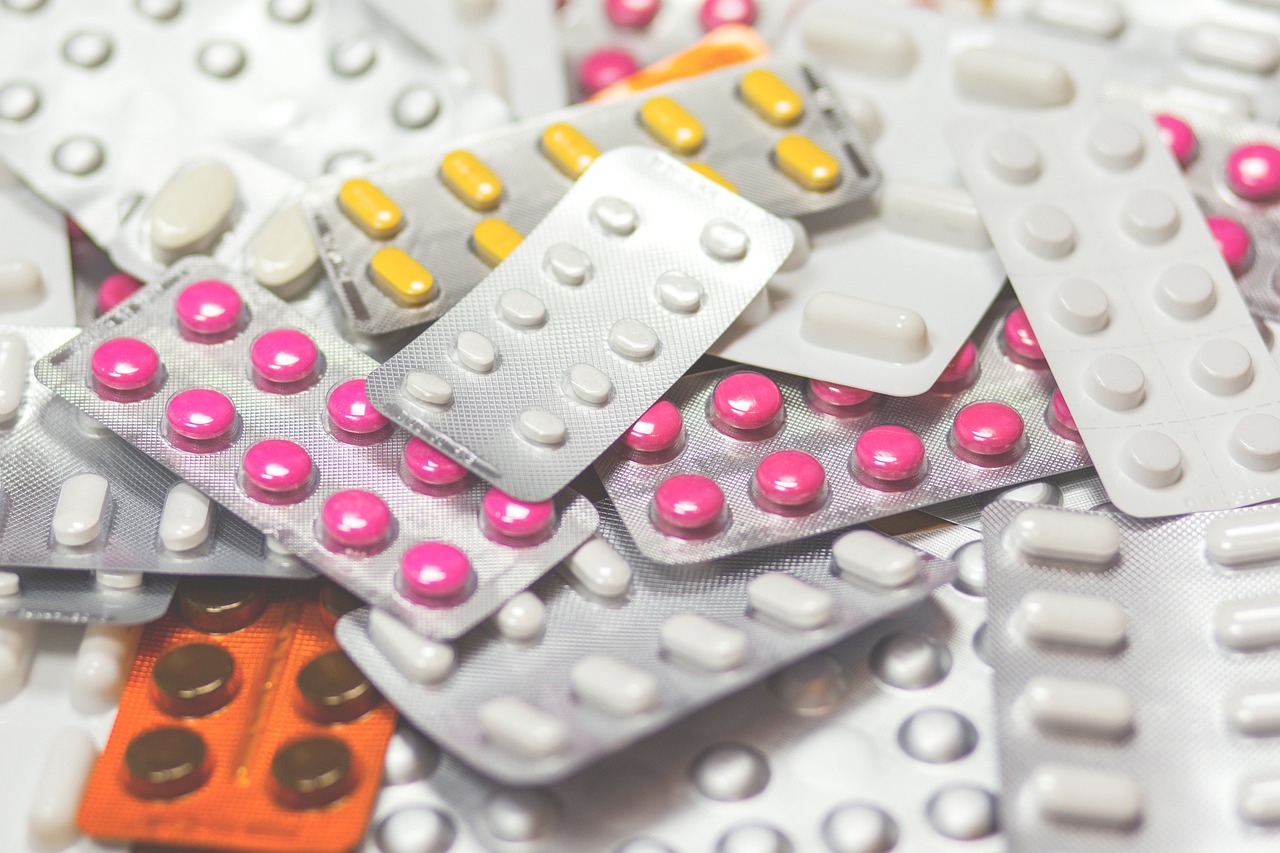
When buying health and fitness drugs online, it is crucial to verify the authenticity of the products before making a purchase. Counterfeit medications and supplements can be ineffective or even harmful. Look for websites that source their products from reputable manufacturers and distributors. Check for product labels, batch numbers, expiration dates, and seals of authenticity to ensure that you are receiving genuine and safe products.

Ingredients and Safety

Carefully review the ingredients and safety information provided for the health and fitness drugs you are considering purchasing. Look for detailed product descriptions, including information on potential side effects, precautions, and contraindications. Research the ingredients to ensure they are safe and suitable for your specific needs and any existing medical conditions.

Pricing and Discounts

While price is one factor to consider, it should not be the sole determining factor when buying health and fitness drugs online. Beware of prices that seem too good to be true, as excessively low prices may indicate counterfeit or inferior quality products. Compare prices across different reputable online pharmacies to ensure you are getting a fair deal, and look for legitimate discounts and promotions offered by authorized sellers.

Customer Support and Return Policy

customer support

A reliable online pharmacy will have a responsive customer support team to address any inquiries or concerns you may have. Look for websites that provide clear contact information and multiple communication channels. Additionally, familiarize yourself with the return policy of the online pharmacy in the event of receiving damaged, incorrect, or expired products. Purchasing health and fitness drugs online can be a convenient option, but it is essential to prioritize safety, authenticity, and legality. Remember to consult with a healthcare professional before starting any new medication or supplement regimen.…

legs
Things That May Cause Spider Veins and How to Avoid Them

Spider veins, or those tiny red, blue, or purple veins which appear beneath your skin surface, can be unsightly and uncomfortable. While they’re usually harmless, they can indicate an underlying health issue in some cases. The Spider vein treatment in Houston might be what you’re looking for if you’re concerned about it.

Also, if you’re worried about what causes them to develop in the first place, this blog post is for you. In this article, we’ll explore the various things that may cause spider veins so that you can take steps to avoid them from forming in the very first place. Whether it’s heredity or sudden weight gain – let’s dive into the details.

Heredity

calves

Simple enough, if your parents or close relatives have had spider veins, you’re more likely to develop them too. Heredity plays a role in the development of spider veins because it affects the strength and elasticity of your blood vessels. When your blood vessels are weak or damaged, they’re more prone to dilation and pooling, which can lead to visible spider veins on the surface of your skin.

Unfortunately, there’s not much you can do about heredity when it comes to preventing spider veins. However, if you know that you’re at higher risk due to family history, you may be able to take certain preventative measures, such as maintaining a healthy weight and staying active.

Hormonal Changes

Women who are more likely to experience hormonal fluctuations throughout their lives due to menstruation, pregnancy, and menopause have more tendency to get spider veins as it’s all about hormonal changes. During pregnancy, the body produces more progesterone which causes blood vessels to relax and widen in order to accommodate the growing fetus. This increased pressure on the veins can lead to spider veins forming in the legs.

While hormonal changes cannot always be prevented or avoided, there are steps that individuals can take to reduce their risk of developing spider veins, such as regular physical exercise, including cardio, yoga, and others which basically can also maintain a healthy weight.

Sudden Weight Gain or Obesity

obesityAnd that’s why we talk about maintaining a healthy weight. This is as sudden weight gain or obesity may increase the risk of spider veins forming in your legs. When you gain weight rapidly, it puts extra pressure on your blood vessels, causing them to dilate and expand beyond their normal size.

This can lead to weakened vein walls and valves that are less able to push blood back up toward your heart. Obesity also means carrying excess body fat, which puts additional strain on your legs, making it difficult for them to circulate blood efficiently. As a result, blood may pool in certain areas and cause spider veins.

Being Immobile for a Long Time

Sitting or standing for hours can be bad for your health in various ways. When you sit or stand still for too long, it can cause blood to pool in your legs. This puts pressure on the walls …

tablets
How to Treat Opioid Addiction: Understanding the Different Methods

Addicted to opioids? Struggling to find a treatment that works for you? Look no further. In this blog post, we’ll be delving into the different methods of treating opioid addiction and helping you understand which is best suited for your needs. From medication-assisted therapy to behavioral therapy, we’ve got all the information you need to take back control of your life and conquer opioid addiction once and for all.

Medication-Assisted Treatment (MAT)

water Medication-Assisted Treatment (MAT) is a comprehensive approach that combines medications with counseling and behavioral therapies to address opioid addiction. Medications commonly used in MAT include methadone, buprenorphine, and naltrexone. These medications help reduce withdrawal symptoms, cravings, and the euphoric effects of opioids, enabling individuals to focus on their recovery without the constant physical and psychological distress caused by addiction. MAT has shown substantial effectiveness in improving treatment retention, reducing illicit opioid use, decreasing overdose risk, and improving the overall quality of life. The good news is that most opiate drug addiction treatment in West Palm Beach and many other areas offer MAT in conjunction with behavioral therapy and different types of addiction treatment.

Behavioral Therapies

Behavioral therapies are crucial in treating opioid addiction, providing individuals with the necessary tools to modify their thoughts, behaviors, and attitudes toward drug use. Cognitive-Behavioral Therapy (CBT) helps individuals identify and change negative patterns of thinking and develop coping strategies to avoid relapse. Contingency Management (CM) uses positive reinforcement, such as vouchers or rewards, to motivate individuals to abstain from drug use. Motivational Interviewing (MI) assists individuals in exploring and resolving ambivalence towards treatment, enhancing their intrinsic motivation to achieve and maintain sobriety. When combined with medication, behavioral therapies have shown to be highly effective in reducing drug use and promoting long-term recovery.

Inpatient Rehabilitation

doctorInpatient rehabilitation, or residential treatment, offers a structured and intensive environment for individuals seeking recovery from opioid addiction. In this setting, individuals reside in a facility dedicated to addiction treatment, receiving 24/7 support and care. Inpatient rehabilitation programs typically include individual counseling, group therapy, educational sessions, and holistic activities. The immersive nature of inpatient rehabilitation allows individuals to focus solely on their recovery, away from triggers and temptations of the outside world. These programs provide a safe and supportive environment for detoxification, therapy, and skill-building, helping individuals develop the necessary tools for lasting recovery.



Outpatient Treatment

Outpatient treatment programs suit individuals who do not require round-the-clock supervision or intensive care. These programs offer flexibility, allowing individuals to continue their daily routines while attending counseling sessions and therapy appointments. Outpatient treatment may involve individual counseling, group therapy, medication management, and support group participation. This approach benefits individuals with stable living situations and a strong support system. Outpatient treatment allows individuals to gradually integrate recovery skills into their everyday lives, with ongoing support and accountability.

Support Groups

Support groups, such as Narcotics Anonymous (NA) or SMART Recovery, provide a valuable network of peers who understand the challenges of opioid addiction. These groups offer a non-judgmental environment for sharing experiences, gaining …

therapy
Mental Health Awareness: Recognizing the Signs of Common Mental Illnesses

Mental health is essential to our overall well-being, affecting our thoughts, feelings, and behaviors. However, mental illnesses are still widely misunderstood and stigmatized, making it difficult for people to seek help when needed. Mental health awareness is crucial in recognizing the signs of common mental illnesses, so we can identify them early and seek appropriate treatment.

This article will discuss the signs of some of the most common mental illnesses, including depression, anxiety, bipolar disorder, and schizophrenia. By increasing our understanding of these mental illnesses, we can help reduce the stigma and provide support for those who need it.

Depression

depressiobn

Depression is a common mental disorder that affects how we feel, think, and behave. Depression symptoms may include extreme sadness, fatigue, decreased appetite or weight changes, difficulty concentrating, and thoughts of death or suicide. If you recognize any of these signs in yourself or someone else, it is crucial to seek professional help as soon as possible.

Bipolar Disorder

Bipolar disorder is a mental illness characterized by extreme shifts in mood, ranging from mania or hypomania (intense, elevated moods) to depression. Symptoms of mania and hypomania may include high energy levels and low need for sleep, increased talkativeness or irritability, feelings of grandiosity, or lack of judgment.

Schizophrenia

Schizophrenia is a complex mental disorder affecting our thoughts, feelings, and behavior. Symptoms may include hallucinations (hearing voices), delusions (believing something that isn’t true), disorganized speech or behavior, lack of motivation, and difficulty functioning in everyday life.

Anxiety

anxietyAnxiety disorders are the most common type of mental ill seeking various ways. Symptoms may include intense fear or worry, constantly feeling on edge, difficulty sleeping, and becoming easily overwhelmed, and physical symptoms such as rapid breathing, sweating, and increased heart rate.


If you experience any of these signs or have difficulty managing everyday tasks due to anxiety, it is essential to seek professional help.

Other Mental Illnesses

In addition to the four mental illnesses discussed above, many other common mental illnesses can affect our lives. These include post-traumatic stress disorder (PTSD), obsessive-compulsive disorder (OCD), eating disorders, and personality disorders. It is essential to be aware of the signs and symptoms of these conditions so that you can identify the issue early and seek appropriate treatment.

Mental health is an important part of our overall well-being, and it is essential to recognize the signs of common mental illnesses. By increasing our awareness of these mental disorders, we can reduce the stigma surrounding them and provide support for those who need it. If you or someone you know is experiencing any of the signs discussed in this article, it is crucial to seek professional help as soon as possible.…

surgery
Things You Must Consider Before Getting Face Surgery

If you consider getting face surgery, it is crucial to think about all the implications of surgery on your life. You can check more info for patients here. There are many things to consider before deciding this, and you want to be sure that you are fully informed about what to expect. This blog post will discuss various things you must consider before getting face surgery. By knowing what to expect, you can make an informed decision about whether surgery is right for you.

The Cost of Surgery

surgeonThe cost of surgery is one of the most important things to consider. Face surgery can be expensive, and it is crucial to make sure that you can afford it. Be sure to ask your surgeon about the cost of surgery and what payment options are available.
It is also important to remember that there may be additional costs associated with surgery, such as hospital bills and doctor’s fees.

The Risks of Surgery

Any surgery carries risks, and face surgery is no exception. Be sure to discuss the risks associated with surgery with your surgeon. They will tell you about the specific risks involved in your particular case. It is important to remember that these risks are just estimates, and each individual’s experience may be different.

The Recovery Time

Recovery time is another critical consideration. Face surgery is a significant procedure, and it will take time for your body to heal. Be sure to discuss the recovery time with your surgeon and make sure you know what to expect. You may need to take some time off from work or school following surgery.

The Results of Surgery

It is important to remember that surgery results may not be what you expect. Be sure to discuss your goals for surgery with your surgeon and make sure you are realistic about the results. It is also important to remember that the final results may not be visible until several months after surgery.

The Side Effects of Surgery

eyelidFace surgery can cause various side effects, including swelling, bruising, and pain. Be sure to discuss these side effects with your surgeon and make sure you are prepared for them. Most side effects will go away within a few weeks, but some may persist for longer periods.



With the information above, you should be able to make an informed decision about whether or not face surgery is right for you. Remember to discuss your goals and concerns with your surgeon and ask as many questions as necessary to make the best decision for your situation.…

Brain Health
Five Foods You Don’t Know That Can Improve Our Brain Health

Did you know that the food we eat can impact our ability to think, analyze, and memorize? The very supplements that are made to help boost our cognitive abilities are made from fruit and plant extracts. Even nootropics supplements like supplements for brain fog, for memory boost, for brain energy are all made from natural ingredients and real food, so we should learn more and understand them. By doing so, we can add them into our diet to better improve our cognitive abilities for the foreseeable future. Here are several foods that are great for our brains:

Fish Oil

Fish Oil

Ever wondered why the Japanese are so bright? It’s because of all the fish that they eat. While it’s not 100 percent true, it does hold some truth because fish is a good source of omega-3 fatty acids, which help our brain to build new cells and membranes that can improve our brain’s neurons. In addition, research shows that people who consume a lot of fish have better blood and oxygen flow to the brain that leads directly to better cognitive abilities.

Coffee

Now, who doesn’t love a good roasted coffee in the morning to start their day? Research shows that daily consumption of coffee can increase the brain’s capacity for information processing which is why they make you feel sharper and ready to seize the day. Coffee also helps with concentration and alertness, so it’s a good stimulant for our brains and nerves when we truly need them.

Broccoli

Broccoli

Broccoli is indeed the brain’s favorite plant because it is rich in glucosinolates, giving the brain energy and reducing the risk of neurodegenerative diseases. Not to mention, the plant is rich in vitamin C and antioxidants, which we can benefit from eating because of their brain health improving qualities.

Berries

We already tackled how the brain thrives on antioxidant-rich foods, so naturally, berries are a good match for the brain. Since antioxidants can help the brain de-stress itself and reduce its inflammation, consuming berries daily can improve our brains’ health and reduce brain and neurons from aging faster. In addition, research shows that people who consume a lot of berries have better memory and learning capabilities than those who don’t, so we should follow their lead and do the same to improve our brains’ health.

Dark Chocolate

Dark Chocolate

Cacao that is contained inside dark chocolates contains flavonoid, which is a type of antioxidant that is good for the brain to de-stress. Too much stress on the brain can make it degenerate faster and suffer brain diseases that will impact our overall health. In addition, cacao can encourage blood flow on the brain parts that are responsible for learning and remembering. Therefore, it is good to include cacao in our diet as an after-meal dessert.

The Bottom Line

There are many other food sources that are good for our brain health, so it’s always a good idea to find out about them and include them in our diet. For example, berries and coffee …

healthy
How to Achieve Your Body Goals Healthily

Currently, more people have an interest to improve their body physique. The ongoing COVID-19 pandemic is making individuals embrace health and fitness than before. However, if you want to achieve your body goals, you will need to consider various elements. Everything, from your training plan to the supplements you use, has to be appropriate for successful results. Here is a list of ideas you should consider to gain your body goals healthily.

Build a Diet Plan

calorie rich dietWhether you want to gain weight or lose it, it is always essential to have the right diet plan. A good meal plan helps your body get the nutrient and minerals it needs to achieve your body goals. Without a proper diet program, the chances of achieving your goals are low to none. Focus on eating wholesome meals and avoid processed and fast foods.

Follow the Appropriate Training Plan

Do not be quick to choose the first training program you find online. Experts suggest that not all workout plans are going to provide the same results. Because people have varying body types, the chances of getting a universal workout program for all is impossible. However, numerous workout variations still offer the outcomes many trainees seek. The best way to find an effective training program is by asking a fitness expert for help.

Avoid Toxic Habits

reading in bedThe current generation of people has adopted numerous lifestyle habits that are harmful to them and those around them. Some of the common toxic practices are drinking alcohols, smoking cigarettes, eating junks meals and not getting any physical exercise. Cutting off detrimental habits boosts the quality of your life. It increases the chances of achieving a healthy and fit body.


Keep Record of Your Progress

The best way to know if you’re doing the right thing is by monitoring your progress. Recording your daily or weekly progress will help you identify the right or wrongs things you are doing and how to get the most from your fitness and training program. You can show the records to a fitness trainer for in-depth analysis and professional help.

Conclusion

If you follow the information listed above, you will have an easy time achieving your fitness goals. However, if you face difficulties, consider approaching a specialist for help before trying any other alternative such as changing workout routines or adopting the use of supplements and steroids. I hope you find this article helpful.…

clean drinking water
The Right Time to Drink Water for a Healthy Body

Hydrating is essential as it helps keep your body in good shape. One of its key benefits is facilitating the functions of different organs in your body. Organs like the kidney rely on water for its functioning. The skin is another essential part of your body that benefits a lot when you hydrate. You should drink enough water to keep your body in good shape.

Clean, purified water is the best for your body. There are so many brands out there that sell this type of water. You also have the option of buying a water purifier. Those who are looking forward to getting into this type of business should look for a proper custom label water bottling company to get labels that will help them sell more.
clean water
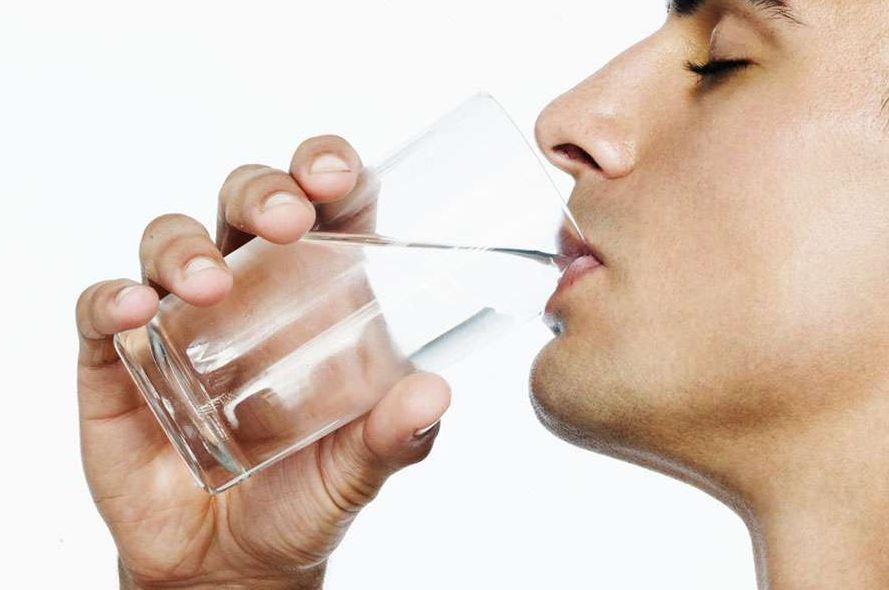
Discipline is key if you want to maintain a proper water drinking habit. You can set reminders that will help you understand that it is time to drink water. Buying the right glasses or drinking bottles will also help you stick to the correct water drinking habits. Most experts recommend that one should drink at least eight glasses of water each day. Identifying the right time for that is what many are finding difficult. The following are periods you should drink water to maintain a healthy body.

After Physical Exercises

It is one ideal period to drink water. Engaging in physical activities such as running, walking, and working out may see you lose a lot of water through sweating. This will leave you dehydrated and may affect the functioning of some organs. Drinking water during such a period is essential as it helps to replenish your body. You will recover the lost fluids and keep your body hydrated in the process.

Before Your Meals

It is another ideal moment to take water. Studies have shown that drinking water before your meals helps to improve digestion. It dilutes some digestive juices, which is essential for the digestion process. Drink a glass of water before having any of your meals.

When You Wake Up

clean drinking water
You should also drink water after waking up. This is because it helps to activate some of your organs and get rid of toxic substances. Do this before having your breakfast or the first meal of the day. Following this is essential in ensuring your body stays hydrated most of the time, and your organs are functioning correctly.…

Essential Tips for Choosing a First Aid Training Center

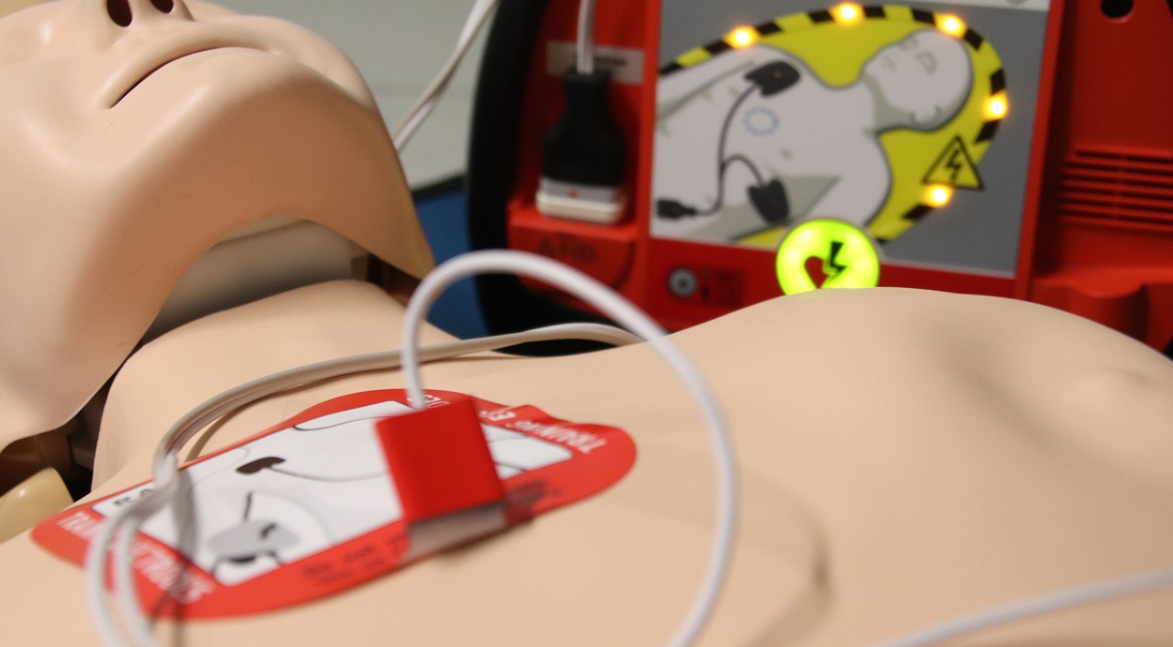
Whether it is first aid or any other type of training that you are looking for, it is essential to make sure that you choose a good training center. The problem, however, is that finding a perfect training center for the skills that you seek has never been a simple task. That is why you should always take extensive research seriously. The following are essential tips to keep in mind when looking for a CPR training.

Track Record

The first thing to look at is the track record. You need to make sure that you choose a center that has a good track record. The way you are going to achieve this is very simple. First, you need to get in touch with the alumni of the training center. These are the people who are in a better position of providing you with all the relevant information that you might need.

Alternatively, you can check online reviews and get a glimpse of what those who have gone through the same institution have to say. If they recommend the training center for you, then you can comfortably go for their services.

The Fee

How much is the training center asking you to pay them? This is a pretty critical question that you need to pay special attention to regardless of the importance of the skills that you are looking for. Some skills, such as first aid training are very important, but they are not supposed to cost you a lot of money. If you find a training center that is trying to drain you financially, the best thing is to keep searching. Great training centers are neither too expensive nor too cheap.

Training Materials

People go to training centers because they want to get skills. Unfortunately, some training centers are after making profits. Such centers are never keen on the skills that they teach. One of the characteristics associated with such centers is that they do not have the right materials. Therefore, it is important to check the kind of materials that a training center has before subscribing to their services.

Facilities

You also need to look at the facility of the training center. A good training center should have a perfect meeting place that is well equipped to conduct their training. Sometimes, the conduciveness of a place determines the effectiveness of training. Since we live in a technological era, Wi-Fi and technological facilities must be available.…